
EDITORIAL GOVERNANCE & MEDICAL REVIEW
-
✓
Content Author: Ms. Hannah Matthews (B.Sc. - Biochemistry)
-
✓
Medically Reviewed By: Dr. N. Kumar, DM, Member of the International Society for Stem Cell Research (ISSCR).
-
✓
State Medical Council Registration No.: Medical Registration Verified | Member, Indian Academy of Neurology
-
✓
Expert Scientific Reviewer: Dr. Harinath P, PhD (Stem Cell Biology & Regenerative Immunology)
-
✓
Clinical Governance Protocol:
SOP-CKD-08(Investigational Cellular Protocol)
Understanding Kidney Failure & Renal Decompensation
Clinical pathophysiology, underlying etiology, and biological cellular targets in Renal Failure Protocols
Renal failure represents the critical loss of kidney parenchymal function, resulting in the failure to filter metabolic waste products, regulate fluid-electrolyte balance, and sustain systemic endocrine functions. Whether driven by acute-on-chronic renal injury, long-standing glomerulosclerosis, or refractory hypertensive vascular collapse, kidney failure is characterized by severe loss of tubular epithelial polarization and severe peritubular capillary rarefaction.
When the remaining viable nephron mass drops below critical survival thresholds, persistent hypoxia triggers excessive myofibroblast activity. The extracellular matrix overwhelms the renal cortex and medulla, leading to escalating serum creatinine, severe hyperkalemia, profound metabolic acidosis, and fluid overload that often necessitates mechanical hemodialysis.
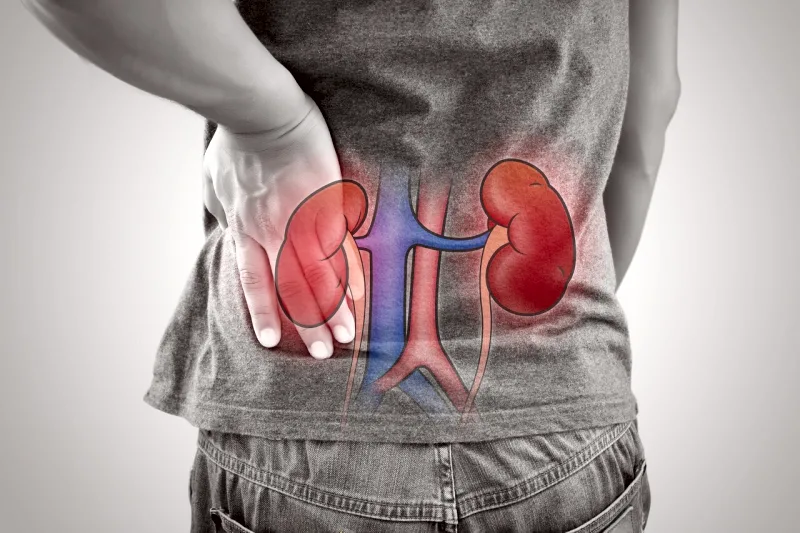 Figure: Cellular therapeutic targeting of ischemic renal tubules and microvascular capillary beds.
Clinical Indicators of Renal Failure
Comprehensive patient screening, inclusion markers, and functional assessment protocols
Patients approaching or experiencing kidney failure present with a confluence of biochemical disruptions and systemic organ consequences:
Azotemic & Fluid Retention Indicators
- Elevated serum creatinine (>3.0 mg/dL) and urea
- Oliguria (urine output < 500 mL/24 hr) or marked anuria
- Severe intractable peripheral edema and pulmonary congestion
- Treatment-resistant fluid retention and severe hypertension
Uremic & Hematologic Manifestations
- Uremic encephalopathy, cognitive slowing, and asterixis
- Severe refractory normocytic anemia and extreme lethargy
- Persistent nausea, metallic taste, and loss of appetite
- Renal osteodystrophy and hyperphosphatemia
How Mesenchymal Stem Cells Address Renal Failure
Biological mechanisms of cellular repair, paracrine signaling, and measurable patient endpoints
Mesenchymal Stem Cells (MSCs) exert potent nephroprotective effects through paracrine, immunomodulatory, and pro-angiogenic mechanisms:
Tubular Epithelial Rescue & Regeneration
MSCs produce high levels of Insulin-Like Growth Factor-1 (IGF-1), Hepatocyte Growth Factor (HGF), and epidermal growth factors. These signaling proteins stimulate surviving tubular cells, inhibit caspase-mediated apoptosis, and re-establish brush border membrane integrity.
Peritubular Capillary Neo-Angiogenesis
Chronic renal hypoxia is a primary driver of renal decline. MSCs secrete Vascular Endothelial Growth Factor (VEGF) and Angiopoietin-1, inducing capillary sprouting and restoring oxygen tension to the hypoxic renal cortex and corticomedullary junction.
Inhibition of Interstitial Fibrosclerosis
MSCs downregulate profibrotic cytokines including TGF-β1 and connective tissue growth factor (CTGF), halting excessive α-SMA myofibroblast differentiation and preserving residual parenchymal tissue.
Why Undergo Stem Cell Therapy in India?
World-class tertiary healthcare infrastructure, cGMP certified cleanrooms, and compassionate patient-centered care
JCI & NABH Centers
Treatments are conducted within globally accredited super-specialty hospitals with state-of-the-art diagnostic and surgical technology.
Senior Specialists
Supervised by veteran consultants with 20+ years of dedicated tertiary care experience and verified medical council licensure.
70% - 80% Cost Savings
Access world-class regenerative care starting from $4,000 USD, eliminating the extreme financial barrier of Western clinics.
Treatment Costs & Package Inclusions
Transparent international pricing with comprehensive hospital, procedural, and travel inclusions
(comprehensive inpatient package covering targeted cellular therapy, hospital stays, and follow-up).
(Administered via Selective Renal Catheterization & Systemic IV Infusion under strict cGMP cleanroom standards).
| Country / Region | Typical Package Range | Waiting Period | Clinical Accreditation |
|---|---|---|---|
| India (Our Partner Centers) | Starting from $4,000 USD | 1 – 2 Weeks | JCI / NABH Accredited |
| United States | $28,000 – $55,000 USD | 3 – 6 Months | Clinical Trial Gated |
| Germany & Switzerland | $25,000 – $48,000 USD | 2 – 4 Months | Private Specialty Only |
| Panama / Mexico | $18,000 – $35,000 USD | 2 – 4 Weeks | Variable Regional |
Dedicated Services for International Patients
Comprehensive end-to-end concierge coordination ensuring an effortless clinical journey from overseas arrival to home follow-up:
Medical Visa (MED & MED-X)
24–48 HrsOfficial accredited hospital visa invitation letters provided promptly for the patient and up to two attendants to expedite rapid consular processing.
Dedicated Patient Navigator
1-on-1 CareA single designated point of contact coordinating consultations, hospital appointments, logistics, and family support throughout your treatment.
Multilingual Interpreters
Language SupportFluent English medical staff, with dedicated professional native interpreters available for Arabic, Russian, French, and Spanish speakers.
Dietary & Nutritional Care
Clinical NutritionTailored inpatient meal plans accommodating cultural and religious preferences (Halal, Vegetarian, Continental) and clinical dietary requirements.
Currency Exchange & Local Connectivity
Seamless ArrivalFull assistance with high-speed local 5G SIM cards, airport currency exchange counters, and international cashless transaction processing.
Travel, Accommodation & Local Logistics
Planning your medical journey to New Delhi, Mumbai, or Bangalore with complete peace of mind
Airport Chauffeur Transfer
Complimentary private airport pick-up and drop-off in air-conditioned vehicles directly to the partner hospital or hotel.
Partner Hotel Accommodation
Special subsidized corporate rates at 4-star and 5-star partner hotels located within 5 to 10 minutes of the hospital campus.
Inpatient Private Suites
Spacious private hospital rooms with ensuite bathrooms, Wi-Fi, television, and dedicated sleeper couches for accompanying family members.
Patient Treatment Roadmap: Clinical Schedule
A structured day-by-day clinical workflow during your stay in India (4 to 5 Days in India):
Arrival, Admission & Baseline Diagnostics
Airport reception, hospital check-in, primary physician review, comprehensive blood panels, vital organ assessment, and diagnostic scans.
Pre-Procedure Preparation & Multi-Specialty Clearance
Detailed review of diagnostic results by the clinical committee, baseline functional scoring, pre-medication, and preparation for cellular therapy.
Cellular Therapy Administration
Delivery of clinical-grade mesenchymal stem cells via Selective Renal Catheterization & Systemic IV Infusion under strict aseptic conditions in an advanced procedural suite.
Post-Procedure Observation, Supportive Care & Discharge
Monitoring vital stability, tailored supportive therapies, post-procedure assessment, comprehensive discharge summary, and fit-to-fly clearance.
Clinical Safety Profile & Post-Treatment Monitoring
Rigorous clinical governance, low adverse event rates, and structured long-term remote follow-up
Anticipated Transient Side Effects
- Mild transient low-grade fever resolving within 12 to 24 hours.
- Mild injection-site tenderness or temporary soreness.
- Transient procedural fatigue responsive to oral hydration and rest.
Quality & Cleanroom Safeguards
- Certified cGMP cleanroom facilities with Class 10,000 / ISO 7 air handling.
- Flow cytometry viability testing (>90% cell viability confirmed).
- Rigorous sterility testing for endotoxins, mycoplasma, and viral markers.
Structured 12-Month Remote Follow-Up Care
Following discharge, our medical team conducts scheduled teleconsultations at 1, 3, 6, and 12 months to review functional progress, track laboratory biomarkers, and adjust supportive management.
Frequently Asked Questions: Renal Failure Protocols Care
Evidence-based clinical guidance regarding cellular therapy protocols, functional expectations, and medical travel
Mesenchymal stem cells home directly to injured renal parenchyma, suppressing pro-fibrotic TGF-beta1 pathways, secreting hepatocyte growth factor (HGF) and vascular endothelial growth factor (VEGF) to regenerate peritubular capillaries and salvage podocytes (Packham et al., 2014).
Cellular therapy yields optimal results in pre-dialysis CKD (Stages 2, 3, and 4) to delay or prevent progression to dialysis. For patients already on long-standing dialysis with total anuria, expectations must be realistic as scar tissue cannot be fully converted into functional nephrons.
Clinical teams monitor Estimated Glomerular Filtration Rate (eGFR), serum creatinine clearance, blood urea nitrogen (BUN), 24-hour urine protein/creatinine ratio, and serum cystatin C.
Protocols utilize minimally invasive selective renal arterial catheterization in an interventional radiology suite for targeted first-pass parenchymal delivery, accompanied by intravenous systemic infusion for generalized anti-inflammatory modulation.
Yes. Clinical trials using clinical-grade, cGMP-certified mesenchymal stem cells report negligible adverse events without renal toxicity or microvascular occlusion (Villanueva et al., 2019).
The standard hospital stay is 4 to 5 days, including comprehensive nephrology workups, renal ultrasound doppler, cellular administration, post-infusion electrolyte monitoring, and discharge planning.
Peer-Reviewed Scientific Citations & Clinical References
Key published clinical trials and peer-reviewed literature supporting cellular therapy in Renal Failure Protocols:
Important Medical & Regulatory Notice:
Cellular therapy protocols described on this website are investigational medical procedures conducted under Institutional Ethics Committee (IEC) oversight and adherence to ICMR-DBT National Guidelines. Cellular interventions are not marketed as universal cures. Therapeutic efficacy, clinical outcomes, and functional recovery vary depending on individual patient age, disease staging, and adherence to supportive rehabilitation.
All patient evaluations require pre-procedure clinical document submission and personal physician clearance before travel confirmation.