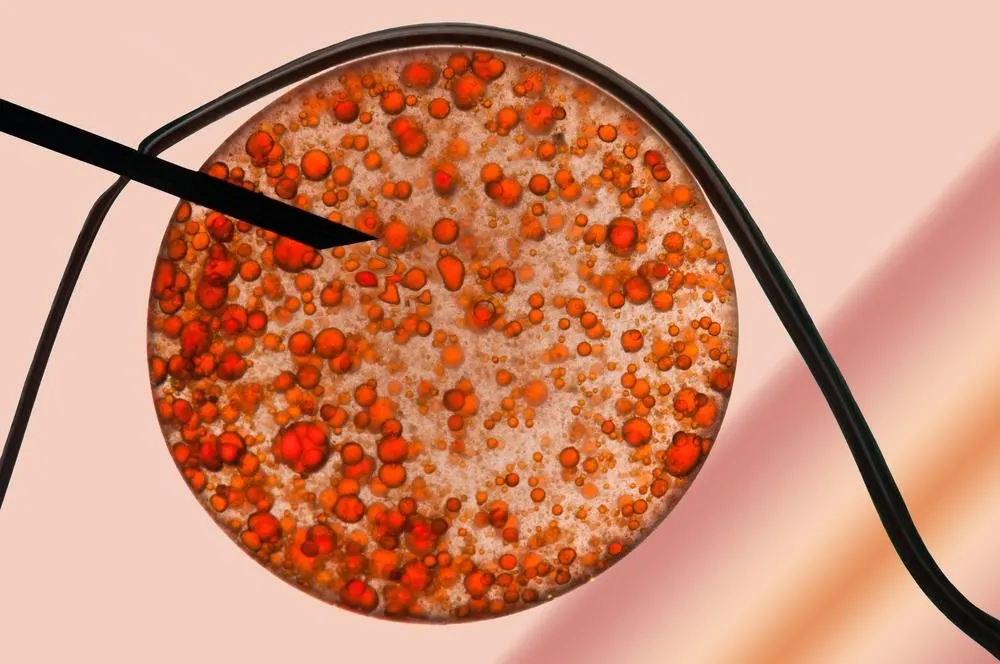
1. The Biological Definition of Stem Cells
Stem cells are specialized undifferentiated biological cells that possess two extraordinary abilities unique in human physiology:
1. Self-Renewal (Proliferation)
The capacity to undergo numerous cycles of cell division while remaining in an undifferentiated, youthful state, allowing sustained therapeutic expansion.
2. Multipotent Differentiation
The potential to differentiate into specialized cell lineages—including neural cells, cardiomyocytes, osteoblasts, chondrocytes, and hepatocyte-like cells upon biochemical cues.
In modern regenerative medicine, stem cells act as the body's internal repair and signaling system. Rather than merely masking chronic symptoms through continuous pharmaceutical intake, cellular therapies harness bioactive secretomes and stem cell homing to repair microvascular networks, restore mitochondrial balance, and stimulate tissue regeneration.
2. Primary Sources of Regenerative Stem Cells
Accredited hospitals in India utilize two primary non-embryonic tissue sources: Autologous (from the patient's own body) and Allogeneic (from screened umbilical cord tissue).
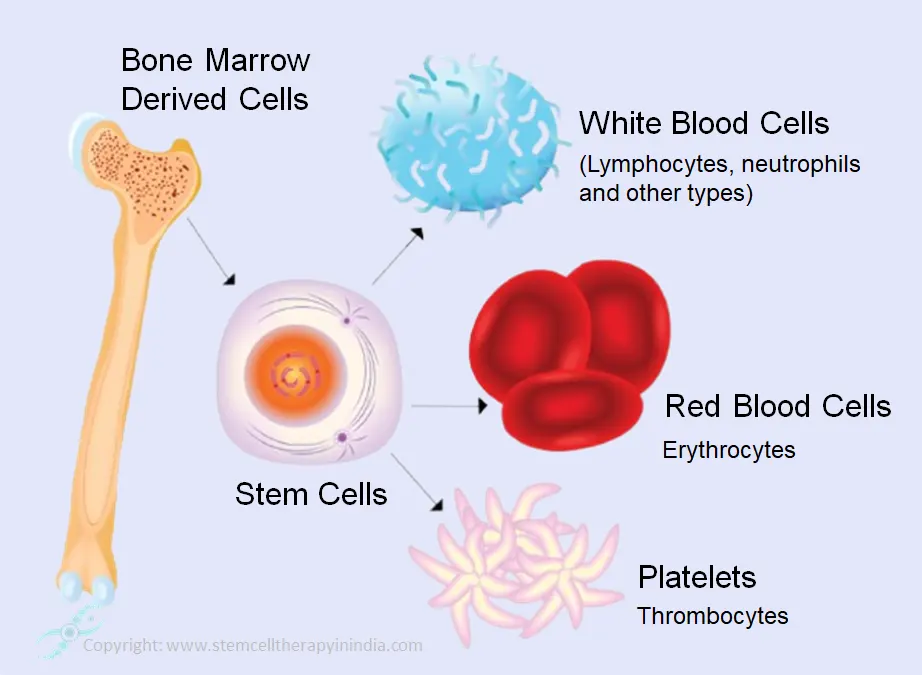
Bone Marrow & Adipose Tissue
Harvested directly from the patient (iliac crest bone marrow aspirate or mini-liposuction), completely eliminating any risk of donor mismatch or immune rejection.
- Bone Marrow Aspirate (BM-MNC): Rich in hematopoetic and mesenchymal progenitors.
- Adipose Stromal Vascular Fraction (SVF): High density of regenerative pericytes.
- Ideal for: Orthopedic injuries, joint preservation, and personalized therapy.
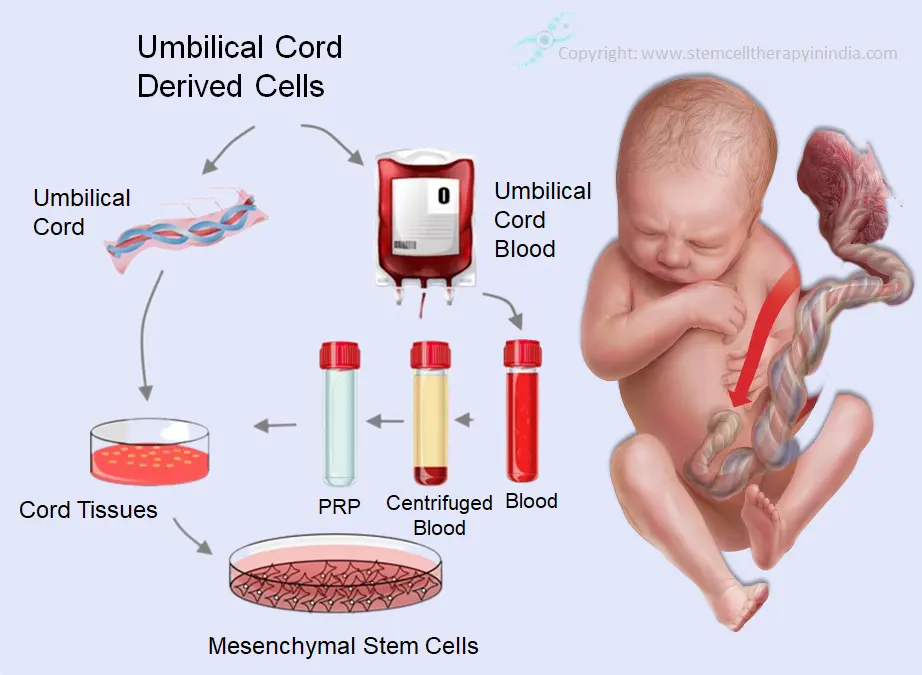
Umbilical Cord Wharton's Jelly
Sourced from screened, ethically donated human umbilical cords following healthy, full-term cesarean births. Zero harm to infant or mother.
- Wharton's Jelly MSCs (WJ-MSCs): Youthful, highly potent proliferative capacity.
- Immune Privileged: Negligible HLA Class II expression; does not trigger graft-versus-host disease (GVHD).
- Ideal for: Neurological recovery, autoimmune conditions, and pediatric disorders.
| Feature | Autologous (Bone Marrow / Adipose) | Allogeneic (Umbilical Cord WJ-MSCs) |
|---|---|---|
| Tissue Origin | Patient's own bone marrow or adipose fat | Ethically screened donated umbilical cord tissue |
| Cell Age & Potency | Reflects patient's biological age | Day 0 biological age (highest telomerase & paracrine output) |
| Harvesting Procedure | Requires minor local anesthesia aspiration | Zero harvesting required from patient |
| Rejection Risk | 0% (100% autologous biocompatibility) | Hypoimmunogenic (safe without immunosuppressants) |
| Dosage Availability | Dependent on patient harvest yield | Standardized clinical dosages (50M – 200M+ cells) |
3. How Stem Cells Promote Healing: 4 Primary Mechanisms
Scientific research confirms that Mesenchymal Stem Cells (MSCs) do not simply transform into new tissues overnight; their primary therapeutic power lies in their active biochemical signaling (the paracrine effect):
Paracrine Signaling & Exosomes
Stem cells secrete neurotrophic factors (BDNF, GDNF, NGF), transforming growth factors, and extracellular vesicles (exosomes) that re-activate dormant surrounding host cells to stimulate self-repair.
Immunomodulation
MSCs dynamically suppress hyperactive autoimmune reactions. By down-regulating pro-inflammatory cytokines (TNF-α, IL-6) and promoting regulatory T-cells (Tregs), they calm chronic tissue inflammation.
Angiogenesis (New Blood Supply)
Through the secretion of Vascular Endothelial Growth Factor (VEGF) and FGF, stem cells stimulate micro-capillary formation, restoring essential oxygen and nutrient flow to ischemic damaged tissues.
Anti-Apoptosis & Neuroprotection
In chronic degenerative disorders, cells die prematurely. MSC signaling inhibits apoptotic biochemical cascades, preserving surviving neurons, organ parenchyma, and cartilage matrices.
4. Clinical Routes of Administration
To ensure cellular concentrations reach the exact site of injury, our partner super-specialty hospitals in India employ four minimally invasive delivery modalities:
- Intravenous (IV) Infusion: Delivered via a sterile slow-drip infusion into the bloodstream. Ideal for systemic metabolic disorders (Type 2 Diabetes, Anti-Ageing, CKD) and crossing systemic microvasculature.
- Intrathecal (IT) Lumbar Puncture: Administered directly into the cerebrospinal fluid (CSF) via a fine lumbar puncture needle. This bypasses the blood-brain barrier (BBB), allowing neurotrophic factors and MSCs to circulate directly to the brain and spinal cord (Stroke, Paraplegia, Cerebral Palsy, ALS, MS).
- Intra-Articular Joint Injection: Direct ultrasound-guided injection into synovial joints (Knee Osteoarthritis, Hip Avascular Necrosis, Shoulder Rotator Cuff) to facilitate chondrocyte repair.
- Retrobulbar & Targeted Local Micro-Injections: Specialized localized administration by senior ophthalmic surgeons for Optic Nerve Atrophy and Retinitis Pigmentosa.
5. Step-by-Step Patient Pathway in India
International patient journeys are structured with end-to-end clinical coordination, concierge hospital management, and rigorous quality controls:
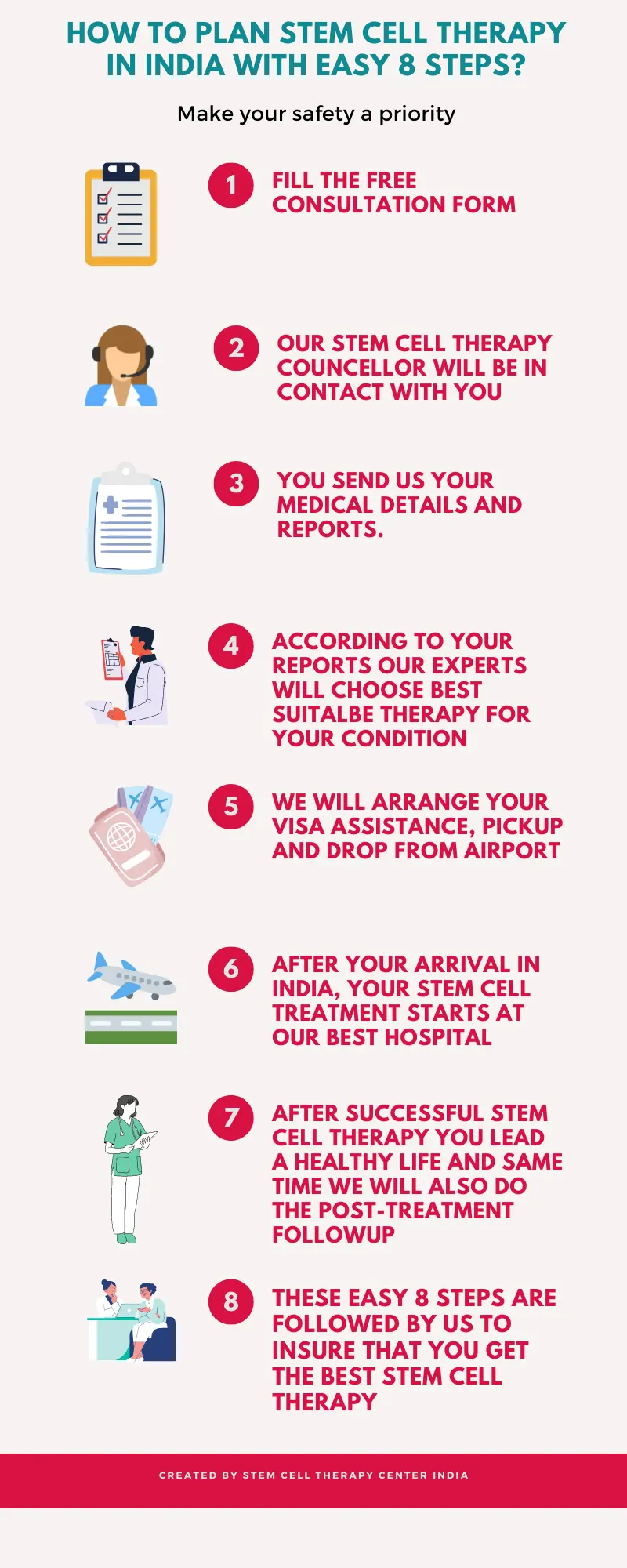
Pre-Arrival Evaluation & Tele-Triage
Our clinical committee reviews existing MRI scans, blood panels, and clinical summaries to verify suitability, expected response rates, and personalized cell dosages before you travel.
cGMP Cleanroom Processing & Quality Assay
Cells are tested for sterility, endotoxin levels, mycoplasma, and cell viability (>90%) inside Class 10,000 cleanroom environments adhering to ISO and ICMR standards.
Targeted Cellular Administration
Procedures are performed under sterile laminar-flow operating theaters by senior super-specialists under local anesthesia or mild sedation, taking 30–60 minutes.
Integrated Rehabilitation & 12-Month Telehealth
To optimize cellular homing, patients receive specialized neuro-physiotherapy, occupational therapy, or Hyperbaric Oxygen Therapy (HBOT), followed by structured 3, 6, and 12-month post-discharge follow-ups.