


What Is Diabetes?
For decades, the standard approach to diabetes has been management—controlling symptoms, monitoring blood sugar, and adjusting insulin doses. While these methods keep the condition at bay, they don't address the root cause of the disease.
Stem cell therapy represents a fundamental shift in regenerative medicine. Instead of just managing insulin levels from the outside, this treatment aims to repair the body’s internal insulin-production factory at the cellular level.
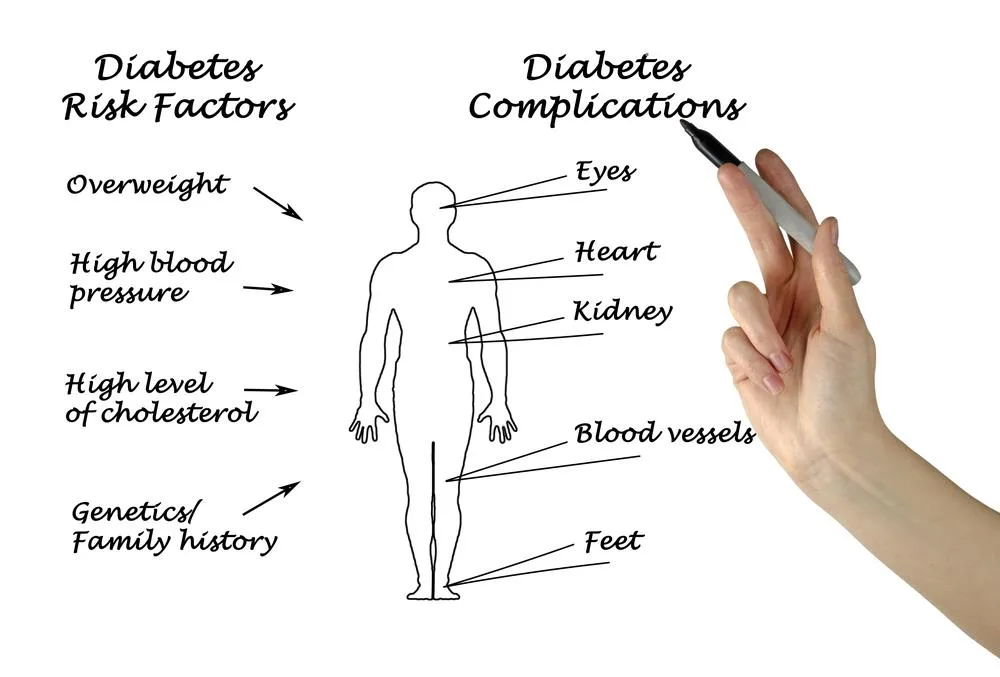
What Are The Symptoms Of Diabetes?
How Stem Cell Therapy Works for Diabetes
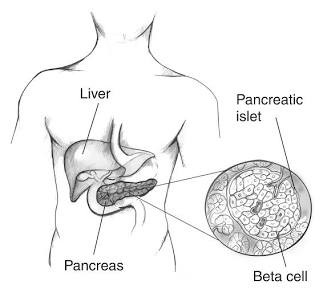
Diabetes essentially damages the pancreas and the surrounding vascular environment. Stem cells, specifically Mesenchymal Stem Cells (MSCs), possess unique regenerative properties that tackle this damage through four distinct pathways:
- Beta-Cell Regeneration: Stem cells have the potential to differentiate into pancreatic beta-islets (the cells responsible for producing insulin). By replacing damaged cells, the body can naturally begin to restore its own insulin production.
- Immune System Modulation (Crucial for Type 1): In Type 1 diabetes, the body’s immune system mistakenly attacks its own pancreas. Stem cells exert immunomodulatory effects, helping to halt this autoimmune attack and protecting newly formed beta cells.
- Reversing Insulin Resistance (Crucial for Type 2): For Type 2 diabetes, the issue is often how cells respond to insulin. Stem cell therapy helps reduce cellular inflammation and improves overall insulin sensitivity, allowing the body to metabolize glucose more effectively.
- Vascular Repair (Angiogenesis): Diabetes severely damages blood vessels. Stem cells release growth factors (like VEGF) that stimulate the formation of new, healthy blood vessels, improving blood flow to the pancreas and other vital organs.
Treating Diabetic Complications
One of the most significant advantages of stem cell therapy over conventional medication is its holistic healing effect. Because stem cells seek out inflammation and repair tissue damage system-wide, patients often see significant improvements in secondary diabetic complications:
- Diabetic Neuropathy: Reduces nerve pain, tingling, and numbness in the extremities by repairing damaged nerve fibers.
- Diabetic Nephropathy (Kidney Damage): Protects renal function by reducing podocyte damage and lowering inflammation in the kidneys.
- Diabetic Retinopathy: Promotes healthy blood vessel growth in the eyes, helping to correct blurry vision and protect against vision loss.
- Slow-Healing Wounds & Diabetic Foot Ulcers: Accelerates tissue repair and wound healing through enhanced vascularization.
Our Treatment Protocol
We follow strict, internationally recognized medical protocols to ensure safety and maximize the therapeutic potential of the stem cells.
-
Comprehensive Medical Screening: Pre-treatment evaluation.
Before any therapy begins, patients undergo exhaustive testing, including Fasting & Random Glucose Tests, Oral Glucose Tolerance Tests (OGTT), detailed urine analysis, and a complete medical history review to determine eligibility.
-
Stem Cell Procurement & Preparation:
Depending on the patient's specific condition, high-quality, ethically sourced stem cells (often Mesenchymal Stem Cells) are prepared in a highly regulated, sterile laboratory environment to ensure maximum viability and concentration.
-
Targeted Administration:
The stem cells are administered to the patient. This is typically done through a painless intravenous (IV) infusion, though targeted delivery methods directly to the pancreatic region may be used if deemed clinically appropriate by the medical team.
-
Post-Therapy Monitoring:
Following the infusion, our medical team closely monitors blood glucose levels, insulin response, and overall vital signs. We provide comprehensive discharge counseling and long-term follow-up guidelines.
Cost & Accessibility: Why Choose India?
Stem cell therapy is an advanced medical procedure, and cost is a significant barrier in many Western countries. India has emerged as a global hub for regenerative medicine, combining top-tier medical expertise with highly accessible pricing.
| Location | Estimated Cost Range | Waiting Period |
|---|---|---|
| India | $6,000 – $8,000 USD | Minimal / None |
| USA / Canada | $30,000 – $36,000 USD | Long |
| Europe (UK, Germany) | $25,000 – $30,000 USD | Moderate to Long |
Beyond affordability, international patients trust us because we provide end-to-end care:
- Zero Wait Times: Immediate consultation and scheduling.
- Concierge Hospitality: Visa assistance, airport pickup/drop-off, and accommodation support for the patient and their family.
- Expert Medical Teams: Treatment administered in state-of-the-art hospitals by specialists with decades of experience in regenerative medicine.
If you’re living with diabetes and want to explore advanced treatment options, contact our specialists today to learn more about stem cell therapy.
What to Expect: Success Rates and Outcomes
While stem cell therapy is not yet classified as a definitive "cure" for diabetes, the clinical outcomes are highly promising. Our clinical observations indicate an overall success rate of 70% to 80%, with over 85% of patients experiencing a substantial improvement in their quality of life.
Typically, it takes a few weeks to a few months for the stem cells to fully integrate and regenerate tissue. During this time, patients frequently report:
- Significant reduction in daily insulin dependency (some patients achieve complete independence from medications).
- Stabilization of blood sugar spikes and crashes.
- Relief from chronic fatigue, lethargy, and excessive thirst.
- Faster healing of minor cuts and wounds.
Who is an Ideal Candidate for Stem Cell Therapy for diabetes?
Not every patient is eligible for stem cell therapy. Our medical board evaluates each case individually to ensure a high probability of success.
You may be an ideal candidate if:
- You have been recently diagnosed with Type 1 Diabetes (early intervention yields the highest beta-cell preservation).
- You have Type 2 Diabetes that is poorly controlled despite maximum medication and lifestyle interventions.
- You are beginning to show early signs of diabetic complications (neuropathy, nephropathy).
Post-Treatment: Maximizing Your Results
Stem cell therapy is a powerful catalyst for cellular repair, but it is not a substitute for healthy living. To ensure the newly regenerated cells thrive and insulin resistance remains low, our post-treatment protocol includes:
- Nutritional Counseling: An anti-inflammatory diet plan designed to protect the repaired pancreas and reduce metabolic stress.
- Prescribed Physical Activity: Exercise enhances the integration of stem cells and naturally lowers insulin resistance in muscle tissues.
- Continuous Monitoring: We provide a 12-month remote follow-up schedule to track your HbA1c, fasting glucose, and C-peptide levels, adjusting any remaining medications safely.
Frequently Asked Questions: What Patients Need to Know
No, the primary treatment is generally painless and minimally invasive. For most diabetic patients, Mesenchymal Stem Cells (MSCs) are administered via a standard intravenous (IV) drip, which feels identical to receiving IV fluids or a routine blood draw. In specific cases where targeted delivery is required, local anesthesia is used to ensure you are completely comfortable.
Yes, MSC therapy is highly safe when processed in a certified, regulated laboratory and administered by medical specialists. The most commonly reported side effects are minor and temporary, typically lasting only 24 to 48 hours. These may include mild fatigue, a low-grade fever, or slight soreness at the IV site.
Note: We strictly use adult Mesenchymal Stem Cells, which have a proven safety profile. We do not use embryonic stem cells, which carry risks of tumor formation.No. Unlike organ transplants that require perfect genetic matching and harsh immunosuppressive drugs, MSCs are "immune-privileged." They naturally lack the surface markers (MHC Class II) that trigger an immune response. Your body does not recognize them as foreign, meaning they can be safely infused without the risk of rejection or the need for anti-rejection medication.
We believe in absolute medical transparency: Stem cell therapy is currently not a permanent "cure" for diabetes.
Instead, it is an advanced regenerative treatment designed to dramatically improve your body's biological function. The goal is to regenerate beta-cells, lower systemic insulin resistance, and repair damage caused by diabetic complications. While many patients experience a drastic reduction in their need for daily insulin and medications—and some achieve periods of insulin independence—it should be viewed as a powerful, long-term disease modulator rather than a one-time magical cure.
The longevity of the results varies depending on the patient's age, the duration they have had diabetes, and their post-treatment lifestyle. Clinical data and our own patient outcomes show that the regenerative effects and improved glycemic control can last anywhere from 18 months to several years.
Because stem cells address the cellular damage rather than just masking symptoms, the improvements are structural. However, depending on disease progression, some patients may opt for a "booster" therapy in the future to maintain their cellular health.
The actual infusion process takes only a few hours. However, for international patients, we recommend a total stay of 5 to 7 days. This allows our medical team to conduct thorough pre-treatment blood work and screenings, administer the therapy, and monitor you closely for a few days post-treatment to ensure your body is responding well before you fly home.
Clinical References
For Type 1 Diabetes (Autoimmune Focus & Beta-Cell Preservation)
- Key Finding: Demonstrated that autologous MSC transplantation is safe, significantly reduces hypoglycemic episodes, and shifts the immune system from pro-inflammatory to anti-inflammatory, preserving beta-cell function.
- Link: NCBI / PMC9208234
- Key Finding: Highlights how umbilical cord-derived MSCs (UC-MSCs) improve islet cell preservation, increase postprandial C-peptide levels, and lack immunogenicity (preventing rejection).
- Link: NCBI / PMC9414788
- Key Finding: Validates the safety and immunomodulatory effects of placenta-derived MSCs, showing they prevent autoimmune destruction of insulin-producing beta cells.
- Link: NCBI / PMC8630319
For Type 2 Diabetes (Insulin Resistance & Systemic Inflammation)
- Key Finding: Concludes that MSCs alleviate insulin resistance in target tissues and target multiple pathways responsible for T2DM pathogenesis, while also showing promise for treating diabetic nephropathy and foot ulcers.
- Link: NCBI / PMC11606765
- Key Finding: A sweeping review of multiple clinical trials proving that MSC therapy significantly reduces HbA1c levels and overall daily insulin requirements in Type 2 diabetic patients.
- Link: NCBI / PMC8089007
- Key Finding: Tracked patients post-transplantation and found fasting C-peptide levels increased significantly. Half of the patients studied became entirely insulin-free for varying lengths of time post-treatment.
- Link: NCBI / PMC4471780
- Key Finding: Discusses the mechanisms by which MSCs induce the regeneration of endogenous pancreatic islet beta cells through the secretion of cytokines and growth factors (the paracrine effect).
- Link: NCBI / PMC6261870
